
πŸ“ž Call for a Free Quote: 855-524-1917

High-Efficiency & SEER2 AC Upgrades in Dallas, TX

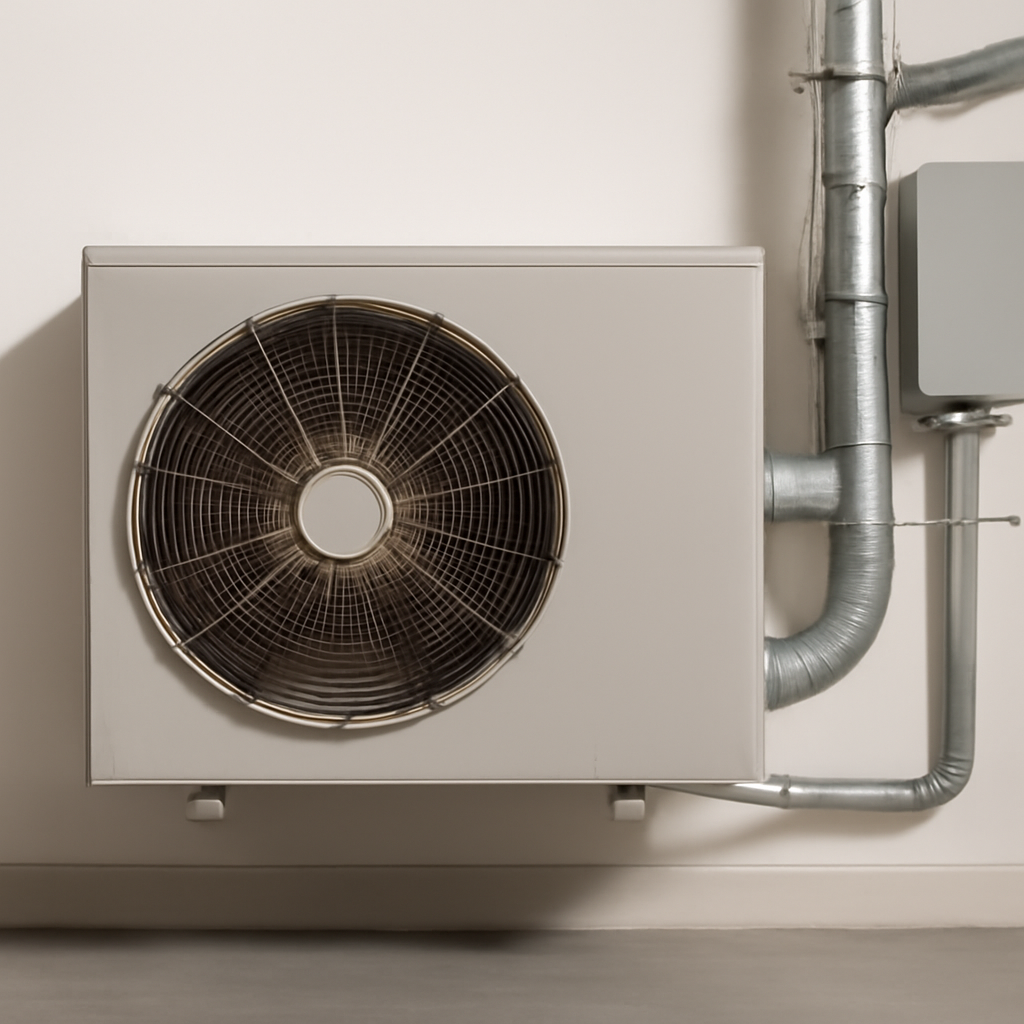
Close-up of a new high-efficiency outdoor AC condenser unit installed against a Dallas home's exterior wall

As of January 2023, any AC system sold and installed in Texas has to meet the DOE's Southwest region SEER2 minimum β€” 14.3 SEER2 for most residential split systems β€” which uses a more realistic testing method than the old SEER rating. That means an older system's SEER number doesn't translate directly to the new scale, and equipment that was efficient by 2015 or 2018 standards can be below today's legal minimum for new installation.

For homeowners specifically targeting a higher-efficiency upgrade rather than a baseline replacement, we walk through the real efficiency tiers above the SEER2 minimum and what the incremental cost buys in actual reduced run-time and lower summer electric bills, given how much of a Dallas AC's workload is humidity removal on top of temperature drop. We're upfront when a jump to the highest efficiency tier available doesn't pencil out for a given home's usage pattern, rather than defaulting every upgrade conversation to the most expensive option.

Where a system qualifies, we handle the paperwork for Oncor's residential efficiency rebate program, which typically requires the new equipment to meet SEER2 minimums and includes a DOE-listed smart thermostat as part of the qualifying installation.

πŸ“ž Call 855-524-1917

Request This Service

* Indicates required field

Oncor Rebate Requirements

Oncor's residential efficiency programs generally require new HVAC equipment to meet current SEER2 minimums and, in most cases, installation of a qualifying smart thermostat as a condition of the rebate. We confirm eligibility and handle the paperwork as part of a qualifying install.

Single-Stage, Two-Stage, and Variable-Speed Compressors

The SEER2 rating on a system's spec sheet is only part of the efficiency picture β€” how the compressor modulates its output matters just as much for real-world performance. A single-stage compressor runs at full output whenever it's on, a two-stage compressor can drop to a lower output for milder conditions, and a variable-speed compressor adjusts across a much wider range in small increments, running longer at lower output more often than cycling on and off at full blast. That longer, gentler run time is where a lot of the humidity-control benefit in a Dallas summer actually comes from, since a system running steadily at partial capacity pulls more moisture out of the air than one that satisfies the thermostat quickly and shuts off.

Where the Efficiency Upgrade Actually Pays Off

The jump from a baseline 14.3 SEER2 system to something in the high-teens or low-20s SEER2 range costs more upfront, and the real payback depends heavily on how much a home actually runs its AC β€” a house that runs the system nearly around the clock through a Dallas summer sees a faster return than one that's cooled lightly or often empty during the day. We run the actual comparison using the home's realistic usage pattern and current electric rate rather than a generic manufacturer estimate, and we're direct when the payback period on the highest tier doesn't make sense for a particular home's situation.

ENERGY STAR Certification vs. the SEER2 Minimum

SEER2 sets the legal minimum efficiency floor, but ENERGY STAR certification is a separate, higher bar that a system has to meet on top of that β€” and ENERGY STAR-certified equipment is often, though not always, what qualifying utility rebate programs specifically require rather than just any SEER2-compliant unit. We check whether a given upgrade path actually needs ENERGY STAR certification for the rebate in question, since assuming any SEER2-compliant system automatically qualifies is a common misconception that can cost a homeowner a rebate they were counting on.

Signs a High-Efficiency Upgrade Is Worth Considering

A home with unusually high summer electric bills relative to its size, a household that's home and running the AC during peak daytime hours rather than away at work, plans to stay in the home long enough to see a real payback period, and eligibility for a meaningful Oncor rebate that offsets a chunk of the upgrade cost are the situations where we most often recommend going above the SEER2 baseline rather than staying at the minimum-compliant tier.

How This Differs From a Standard Baseline Replacement

A baseline SEER2-compliant replacement addresses the legal minimum and gets a failing system working correctly again at a lower upfront cost. A high-efficiency upgrade is the same core replacement process β€” Manual J sizing, matched components, permitting β€” but with a deliberate decision to spend more on a higher efficiency tier because the usage pattern, electric rates, or rebate eligibility make that additional cost worth it. We don't push every replacement toward the higher tier; we scope both options during the estimate so the homeowner is choosing based on real numbers rather than a sales pitch.

Warranty on High-Efficiency Equipment

Higher-tier equipment generally carries the same manufacturer parts warranty structure as baseline systems β€” typically around 10 years on major components when registered after installation β€” though some manufacturers extend additional coverage on variable-speed compressors specifically, given their higher component cost. We register the equipment and back the installation with our own labor warranty regardless of which efficiency tier a homeowner chooses.

A Common Misconception: Higher SEER2 Always Means Lower Bills

A higher SEER2 rating describes the equipment's efficiency under standardized test conditions, not a guaranteed percentage drop in a specific home's electric bill, and a system installed on leaky ductwork or in a poorly insulated attic can underperform its rating regardless of how efficient the equipment itself is. We check ductwork and attic insulation alongside any high-efficiency upgrade conversation, since pairing a high-efficiency condenser with an unaddressed ductwork problem is one of the more common ways homeowners end up disappointed with an upgrade that should have delivered real savings.

What to Expect During a High-Efficiency Upgrade Estimate

We start with the same Manual J load calculation used on any replacement, then walk through the available efficiency tiers above the SEER2 minimum with real numbers on equipment cost, estimated run-time-based savings for the home's actual usage pattern, and current Oncor rebate eligibility for each tier under consideration. Homeowners leave the estimate with a side-by-side comparison rather than a single recommended number, since the right tier genuinely depends on how long someone plans to stay in the home and how the space actually gets used day to day.

Licensing Behind a High-Efficiency Installation

High-efficiency equipment, particularly variable-speed systems with more sophisticated electronic controls, is installed under the same Texas Department of Licensing and Regulation contractor licensing as any other system we work on, and EPA Section 608 certification governs the refrigerant handling regardless of efficiency tier. The added electronics on higher-tier equipment do mean more setup and configuration during startup β€” pairing the outdoor unit's control board with a compatible communicating thermostat, for instance β€” which is more involved than a basic single-stage system and something we account for in the installation timeline rather than treating every system's startup as identical.

Areas We Serve

Proudly providing ac replacement across the region:

Get High-Efficiency & SEER2 AC Upgrades in Dallas Today

Fast response, upfront pricing, and friendly local pros. Call now for a free quote.

πŸ“ž Call 855-524-1917