
📞 Call for a Free Quote: 855-524-1917

Heat Pump Replacement & Installation in Dallas, TX

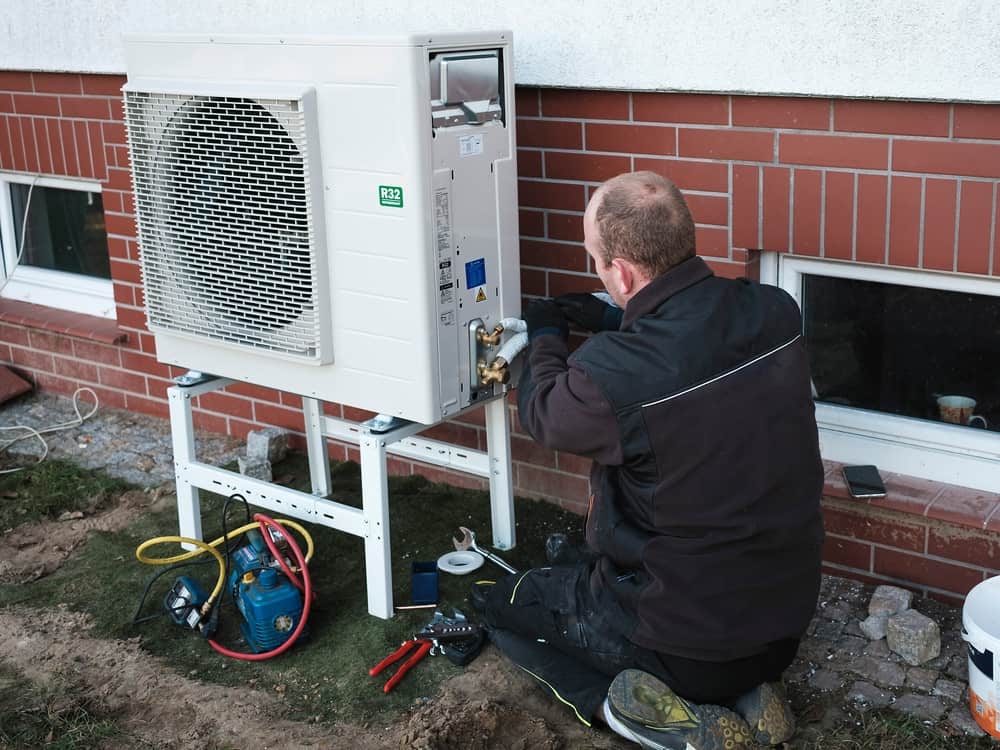
Technician installing a heat pump outdoor unit with refrigerant gauges on a Dallas home's exterior wall

A heat pump handles both cooling and heating from a single outdoor unit, which fits North Texas's climate reasonably well — Dallas winters are mild enough that a heat pump can carry most of the heating load efficiently, while summer means the same unit is doing the heavy lifting that a straight AC system does through July and August. Replacing a failing heat pump means the compressor is working double duty year-round instead of just seasonally, which changes how we assess wear and sizing compared to a cooling-only system.

We size heat pump replacements with the same Manual J load calculation approach we use for straight AC systems, accounting for both the cooling load in summer and the heating load in Dallas's cooler months, since a unit sized only for one season underperforms in the other. Installation includes the outdoor unit, refrigerant line connections, and coordination with existing ductwork or air handler components, along with the same SEER2 compliance and City of Dallas permitting required for any full system replacement.

For homes currently on a straight AC-plus-furnace setup considering a switch to a heat pump, we walk through the actual tradeoffs for your specific home and electric rate situation rather than defaulting to a heat pump as the automatic upgrade.

📞 Call 855-524-1917

Request This Service

* Indicates required field

One System, Two Seasons of Work

A heat pump's compressor runs through both summer cooling and winter heating, which means replacement timing and sizing decisions account for year-round duty cycle rather than a single peak season, unlike a cooling-only AC system.

How a Heat Pump Actually Heats a House

A heat pump doesn't generate heat the way a gas furnace does — it moves it, running the same refrigeration cycle as an AC system in reverse so the outdoor coil absorbs heat from outside air, even when that air is cold, and the indoor coil releases it into the house. That reversal happens at a component called the reversing valve, which is one of the parts most specific to heat pump systems and one we check closely on any unit that's stopped heating properly, since a stuck or failing reversing valve is a common heat pump failure that a straight AC system doesn't have to worry about. The system also runs periodic defrost cycles in cold weather, briefly switching back to cooling mode to melt frost off the outdoor coil, which is normal operation and not a malfunction, even though it can look alarming to a homeowner who's never had a heat pump before.

HSPF2 and Why Heat Pump Efficiency Has Two Ratings

A straight AC system only needs a SEER2 cooling efficiency rating, but a heat pump carries both a SEER2 cooling rating and an HSPF2 heating efficiency rating, since it's being evaluated on performance in both modes. The DOE updated the HSPF2 minimum alongside SEER2 in 2023, and a heat pump that only meets an older HSPF rating from before that change may not meet the current legal minimum for new installation even if its cooling-mode SEER2 number looks fine on its own. We check both ratings against current code when quoting a replacement, not just the number most commonly advertised.

Sizing a Heat Pump for Dallas's Balance Point

Every heat pump has a balance point — the outdoor temperature below which it can no longer keep up with a home's heating load on its own and needs backup heat to fill the gap. Getting that balance point right during sizing matters more in a heat pump replacement than in a straight AC replacement, because undersizing for heating means backup electric resistance heat runs more often than it should, which is far less efficient than the heat pump's compressor doing the work. We calculate both the cooling load and the heating load with Manual J and size around whichever is the larger design condition for the specific home, rather than sizing for summer alone and treating winter performance as an afterthought.

Dual-Fuel Systems: Pairing a Heat Pump With an Existing Furnace

Rather than electric resistance backup heat, some Dallas homes are better served by a dual-fuel setup that pairs a heat pump with the home's existing gas furnace, letting the system automatically switch to gas heat once outdoor temperatures drop below the heat pump's efficient range. This setup requires a compatible control board and thermostat that can manage the switchover logic between the two heat sources, and it only makes sense where the existing furnace is in good enough condition to keep running for the dual-fuel system's expected life. We evaluate whether a dual-fuel configuration or a simpler single-fuel heat pump with electric backup is the better fit based on the home's existing equipment and the homeowner's gas versus electric rate situation.

Signs Your Heat Pump Needs Replacement

A heat pump stuck in one mode — blowing cold air when it should be heating, or vice versa — often points to a failing reversing valve, and depending on the unit's age, replacing that valve on an older system can cost enough that a full replacement makes more sense than the repair. Ice buildup on the outdoor coil that doesn't clear during a normal defrost cycle, a noticeable jump in backup heat usage compared to previous winters, and the same age and repeated-repair signals that apply to any AC system are all reasons to have a heat pump assessed for replacement rather than another repair visit.

Warranty Coverage on a New Heat Pump System

New heat pump equipment carries the same kind of manufacturer parts warranty as a straight AC system, typically covering the compressor and major components for around 10 years when registered within the required window, which we handle as part of installation. We back that with our own written labor warranty on the installation itself. Because a heat pump's compressor runs year-round rather than seasonally, keeping up with manufacturer-recommended maintenance matters more for preserving that warranty coverage than it does on a cooling-only system that gets a break for several months each year.

Heat Pump Replacement & Installation FAQs

Does a heat pump need backup heat for Dallas winters?

Most heat pumps we install include electric resistance backup heat, or pair with an existing furnace in a dual-fuel setup, for the rare stretches when temperatures drop into the 20s and for recovery after a defrost cycle. Dallas winters spend most of their time well within a heat pump's efficient range, but backup heat covers the hard-freeze days.

Why does my heat pump blow cooler air in winter than a furnace did?

A heat pump typically delivers air around 90-105°F in heating mode, noticeably cooler than a gas furnace's 120°F-plus output, even though it's heating the house effectively — it just runs longer to do it. This is normal heat pump behavior, not a sign the system is undersized, and it's something we walk through with homeowners switching from a furnace for the first time.

Is a heat pump replacement eligible for the same Oncor rebate as an AC replacement?

In many cases, yes. Oncor's residential efficiency programs generally extend to qualifying heat pump systems that meet the current SEER2 and HSPF2 efficiency minimums, often with the same smart thermostat requirement. We confirm eligibility for your specific equipment as part of the estimate.

Areas We Serve

Proudly providing ac replacement across the region:

Get Heat Pump Replacement & Installation in Dallas Today

Fast response, upfront pricing, and friendly local pros. Call now for a free quote.

📞 Call 855-524-1917