
πŸ“ž Call for a Free Quote: 855-524-1917

Ductwork Replacement & Redesign in Dallas, TX

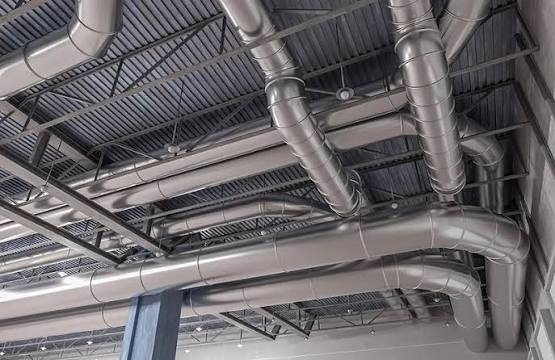
New sheet metal ductwork installed along a ceiling in a Dallas commercial building

A brand-new, correctly sized AC system connected to old, leaky, or undersized ductwork will still underperform, because the ductwork determines how much of the conditioned air the system produces actually reaches each room. Dallas homes built before the 2000s frequently have original ductwork that's undersized for modern airflow requirements, has developed leaks at the joints over decades, or was routed in a way that starves rooms furthest from the air handler.

We assess ductwork condition and sizing as a standard part of any AC replacement estimate, since installing a new high-efficiency system on top of a ductwork problem is a common way homeowners end up disappointed with a system that should be performing well. Where ductwork replacement or redesign is warranted, we correct sizing to match the new system's airflow output, seal joints and connections properly, and address routing issues where they're causing specific rooms to run hot or cold relative to the rest of the house.

For commercial and larger residential projects, ductwork redesign is often the difference between a system that meets its rated capacity and one that never quite performs to spec despite correctly sized equipment.

πŸ“ž Call 855-524-1917

Request This Service

* Indicates required field

Why New Equipment Doesn't Fix Old Ductwork

Ductwork leaks and undersizing cap how much of a system's output actually reaches the living space, regardless of how efficient or correctly sized the equipment itself is. We flag ductwork issues during the estimate rather than letting a new system get blamed for an old duct problem.

How We Actually Test for Duct Leaks

Rather than guessing based on age or a visual check alone, we use a duct blaster test that pressurizes the duct system and measures airflow loss, giving an actual leakage percentage rather than a rough estimate. Manual inspection at accessible joints, boots, and plenum connections catches obvious gaps and disconnected sections, but a lot of real leakage happens at seams that look fine from the outside and only show up under pressure testing. That combination β€” pressure testing plus physical inspection β€” is what tells us whether a system needs full duct replacement, targeted sealing, or just a handful of connection repairs.

Flex Duct vs. Sheet Metal, and When Each Makes Sense

Flexible ductwork is faster to install and route around obstacles in a tight attic, and it's the standard choice for most residential branch runs today, but it's more prone to compression, kinking, and sagging over time than rigid sheet metal, all of which restrict airflow. Sheet metal holds its shape and airflow characteristics better over decades but costs more and takes longer to fabricate and install, particularly around bends. We typically use rigid metal for main trunk lines carrying the highest airflow volume and flex duct for individual branch runs to registers, matching material to the job the specific duct segment is doing rather than using one material throughout by default.

Signs Your Ductwork Is the Real Problem, Not the Equipment

Rooms that run noticeably hotter or colder than the rest of the house despite a properly functioning system, visibly sagging or crushed flex duct sections in the attic, a whistling or hissing sound at registers, noticeably higher bills than a home's size would suggest, and dust or a musty smell coming from vents β€” often a sign of a leak pulling in unconditioned attic or crawlspace air β€” are the signals we look for that point at ductwork rather than the AC or furnace itself.

Redesigning Duct Routing vs. Just Replacing What's There

Sometimes the existing duct layout is fundamentally sound and just needs new material or sealing in the same configuration. Other times, particularly in homes that have had additions or renovations since the original ductwork was installed, the actual routing no longer matches the home's layout β€” a duct run might snake past a room it should be feeding directly, adding length and pressure drop for no good reason. A full redesign re-routes trunk and branch lines to match the current floor plan and airflow needs, rather than just replacing old material in the same inefficient path it's always taken.

What Affects Ductwork Replacement Cost

Total duct run length, attic accessibility, how much of the system needs full replacement versus targeted sealing, and whether a redesign is changing the routing rather than just swapping material in place all affect price. A home with good attic access and ductwork needing sealing and insulation touch-ups costs meaningfully less than a full trunk-and-branch redesign in a tight attic with limited walking space, and we scope which category a given job falls into during the estimate rather than pricing every ductwork job the same way.

Licensing and Permitting for Ductwork Work

Ductwork modification performed alongside a mechanical system replacement is covered under the same City of Dallas mechanical permit as the equipment installation, and work is performed under our licensed HVAC contractor registration with the Texas Department of Licensing and Regulation. Standalone duct sealing or repair work not tied to an equipment replacement generally doesn't require a separate permit, but we still perform it to the same sealing and material standards either way.

A Common Mistake: Sizing New Ductwork to the Old System's Airflow

Replacing damaged or leaky ductwork with new material cut to the same dimensions as what came out is a common shortcut, but if the old ductwork was ever undersized for the system it served β€” which happens more often than homeowners expect β€” that mistake just gets rebuilt in new material rather than corrected. We size replacement ductwork to the actual airflow the connected equipment needs to move, using Manual D duct design principles, rather than assuming the original dimensions were ever correct in the first place.

What to Expect During a Ductwork Replacement Project

After the duct blaster test and inspection identify what needs to change, we typically work section by section rather than disconnecting the entire system at once, which keeps the home from going without any conditioned air during a multi-day project. New trunk and branch runs get sized to Manual D specifications, connections are sealed with mastic rather than just tape, which holds up far longer under attic temperature swings, and we test the completed system's airflow at registers before calling the job finished. A full trunk-and-branch redesign on an average single-family home typically takes one to two days depending on attic accessibility.

Warranty on Ductwork Replacement and Sealing Work

We provide a written labor warranty on ductwork replacement and sealing work, separate from any equipment warranty on the connected AC or furnace. Because ductwork failure modes tend to develop slowly β€” a joint separating gradually rather than failing outright β€” we recommend a follow-up airflow check during a system's first annual maintenance visit after a major duct project, catching any settling issues early rather than waiting for a comfort complaint to surface.

Areas We Serve

Proudly providing ac replacement across the region:

Get Ductwork Replacement & Redesign in Dallas Today

Fast response, upfront pricing, and friendly local pros. Call now for a free quote.

πŸ“ž Call 855-524-1917