
πŸ“ž Call for a Free Quote: 855-524-1917

Ductless Mini-Split Installation & Replacement in Dallas, TX

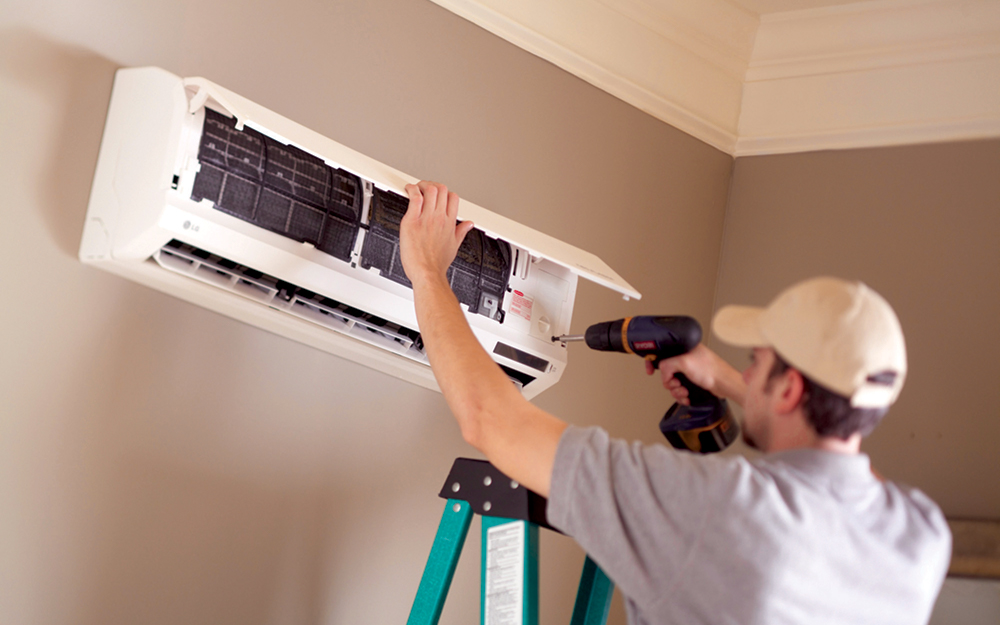
Technician installing an indoor ductless mini-split wall unit in a Dallas home

Ductless mini-split systems make sense for Dallas homes with a room or addition that the main ducted system doesn't reach well β€” a converted garage, a sunroom, a second-story addition, or an older home where extending ductwork isn't practical. Each indoor wall-mounted unit handles a specific zone independently, which also means better temperature control for spaces that run hotter or colder than the rest of the house rather than fighting the whole-home thermostat setting.

Installation includes mounting the indoor wall unit, running refrigerant lines and a condensate drain to the outdoor condenser, and setting up the electrical connection, all sized to the specific zone's square footage and heat load rather than a generic per-room estimate. For homes replacing an aging or failing mini-split, we assess whether the existing line set and mounting location can be reused or whether a full new installation makes more sense given the age and condition of what's there.

Mini-splits installed under our service meet the same SEER2 efficiency requirements as our central systems, and the outdoor unit installation is permitted the same way a central AC condenser replacement is under City of Dallas requirements.

πŸ“ž Call 855-524-1917

Request This Service

* Indicates required field

When a Mini-Split Makes More Sense Than Extending Ductwork

Extending existing ductwork to a room addition or converted space is often more expensive and less effective than a dedicated mini-split zone, particularly in older Dallas homes where the existing duct system wasn't designed with extra capacity in mind.

How a Mini-Split Installation Actually Goes

The job starts with picking a mounting location for the indoor unit that gives even airflow across the room without blowing directly on furniture or a bed, then drilling a small sleeve hole through the exterior wall for the line set, condensate drain, and control wiring to pass through to the outdoor condenser. The line set gets flared or brazed at both ends, the system is evacuated with a vacuum pump to pull out moisture and air, and refrigerant is weighed in to the manufacturer's charge specification β€” many mini-split line sets come pre-charged for a standard length, with additional refrigerant added if the run is longer than that standard. Where gravity can't carry the condensate to a drain point, we install a small condensate pump to handle it. A single-zone installation is typically a one-day job from mounting to startup.

Single-Zone vs. Multi-Zone Systems

A single-zone mini-split connects one outdoor condenser to one indoor unit, which is the simpler and more efficient setup for a single room or addition. A multi-zone system connects one outdoor condenser to two, three, or more indoor units, each independently controlled, which works well for a converted garage with multiple rooms or a detached structure with more than one space to condition β€” but it also means if the outdoor unit needs service, every zone loses cooling at once, unlike separate single-zone systems. We size and recommend one configuration over the other based on the actual layout being conditioned rather than defaulting to whichever is easier to quote.

Efficiency Ratings on Ductless Equipment

Ductless mini-splits carry their own SEER2 efficiency ratings, and many models on the market exceed the minimums required for ducted central systems, in part because eliminating duct losses lets a smaller compressor do more effective work. That efficiency gain is real, but it applies to the specific zone the mini-split conditions β€” it isn't a substitute for addressing an inefficient central system serving the rest of the house, which is a distinction we're clear about when a homeowner asks whether mini-splits could replace central air throughout an entire home.

Signs a Room Needs a Dedicated Mini-Split

A room that runs consistently hotter or colder than the rest of the house despite a functioning central system, a converted garage or sunroom with no ductwork run to it at all, and a detached structure like a workshop or guest suite are the clearest candidates. A window unit can technically address the same problem, but it's noisier, less efficient, blocks part of a window, and doesn't hold up as well to a Dallas summer's sustained run time β€” which is why we recommend a mini-split over a window unit for anything beyond a short-term fix.

What Affects Mini-Split Installation Cost

Zone count, the distance and routing complexity between indoor and outdoor units, wall material (brick versus wood-frame siding changes how the sleeve hole gets drilled and sealed), and whether a condensate pump is needed all factor into price. A single-zone installation in an easily accessible location costs meaningfully less than a multi-zone system routed through a brick exterior with a long line set run, and we scope that during the estimate rather than quoting a flat per-unit price that doesn't reflect the actual jobsite conditions.

Warranty and Maintenance on Ductless Systems

Mini-split equipment carries a manufacturer parts warranty similar to central systems, generally covering major components for around 10 years when registered after installation, and we provide our own labor warranty on the installation work. Maintenance differs somewhat from a central system β€” the indoor unit's washable filters need more frequent cleaning since they're drawing room air directly rather than through a return duct and central filter, and we walk homeowners through that filter cleaning schedule since skipping it is a common way mini-split performance and efficiency quietly degrade over time.

Sound Levels: Why Mini-Splits Run Quieter Than Window Units

Because the compressor sits outside in the condenser unit rather than in the same housing as the indoor fan, a mini-split's indoor unit typically runs noticeably quieter than a window unit, where the compressor is right in the room. Manufacturer sound ratings for indoor units commonly fall in a range comparable to a quiet conversation on low fan speed, which matters for bedrooms and home offices where a window unit's compressor noise is often the biggest complaint. Outdoor unit placement still matters for the condenser's sound footprint, particularly for multi-zone systems, and we factor placement relative to windows and outdoor living spaces into the installation plan.

A Common Misconception: Mini-Splits Are Only for Additions

While additions and converted garages are the most common reason homeowners first look into a mini-split, they're not the only good use case β€” a mini-split can also serve as a targeted fix for a single room that a central system chronically underserves, such as a bonus room over a garage or a home office at the end of a long duct run. We're clear about the difference between those two scenarios during an estimate, since a persistent hot-room problem on an otherwise adequate central system sometimes only needs a mini-split for that one space rather than a larger central system overhaul.

Areas We Serve

Proudly providing ac replacement across the region:

Get Ductless Mini-Split Installation & Replacement in Dallas Today

Fast response, upfront pricing, and friendly local pros. Call now for a free quote.

πŸ“ž Call 855-524-1917